
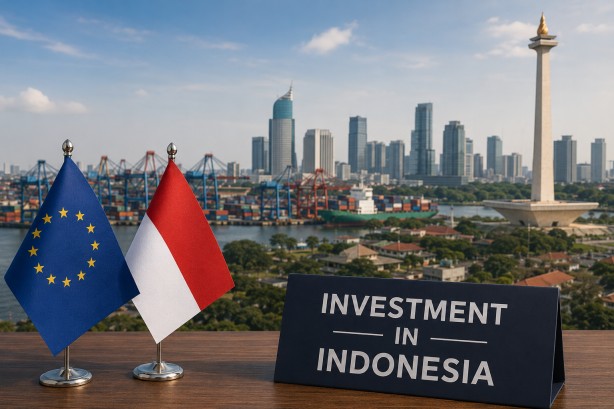
The European Union’s Ambassador to Indonesia and Brunei Darussalam, Denis Chaibi, has highlighted significant obstacles facing European investors in Indonesia. Chaibi pointed to the unpredictability of regulations and insufficient coordination among government ministries as primary concerns. These issues, he noted, are critical to address in order to bolster investor confidence among Europeans considering ventures in Indonesia.
As Indonesia and the European Union gear up to implement their comprehensive economic partnership agreement, the ambassador emphasized the need for regulatory clarity and improved inter-ministry cooperation. This agreement, eagerly anticipated by both parties, promises to open up new avenues for trade and investment, which could significantly benefit both regions. However, Chaibi stressed that without addressing the existing regulatory challenges, the full potential of European investment might not be realized.
Investors from Europe are eager to explore opportunities in Indonesia, a market that offers substantial growth potential. However, the current landscape presents hurdles that could deter investment if not carefully managed. The ambassador’s remarks underscore the importance of creating a stable and predictable business environment, which is a key factor in attracting international investment and fostering economic ties.
Indonesia’s government has been working on various fronts to improve its business climate, which includes efforts to streamline regulations and enhance governmental coordination. These steps are crucial as the country seeks not only to attract new investments but also to retain existing ones. The successful implementation of the economic partnership agreement with the EU could serve as a pivotal moment in this endeavor, provided that regulatory challenges are effectively addressed.
In conclusion, while the upcoming economic partnership agreement between Indonesia and the European Union holds promise for new trade and investment opportunities, the path to realizing these benefits is contingent on overcoming regulatory and coordination challenges. As Chaibi’s observations suggest, fostering a more predictable and cohesive regulatory environment will be essential for attracting European investors and maximizing the potential of this international partnership.