
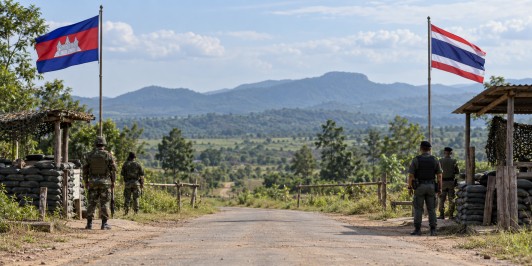
Tensions between Cambodia and Thailand over disputed border territory persist despite a recent ceasefire agreement. The ceasefire, which took effect on December 27, was intended to maintain military positions and ensure the safe return of civilians displaced by earlier conflicts. However, Cambodian officials assert that this agreement does not influence the final determination of the international border.
Cambodian Information Minister Neth Pheaktra has emphasized that the ceasefire should not be used to redefine borders or establish legal ownership of contested areas. He has accused Thai military forces of fortifying their positions by installing barbed wire, digging trenches, and constructing roads and military facilities, actions that Cambodia views as potentially altering the status quo rather than preserving existing conditions.
According to Cambodian authorities, more than 20,000 people were displaced due to the skirmishes. Minister Pheaktra has highlighted the importance of ensuring the safe return of these civilians as a critical measure of adherence to the ceasefire terms. Cambodia is particularly sensitive to any unilateral actions by Thailand that could impact future border negotiations.
In a separate initiative, Thailand has conducted tours for foreign delegates, ASEAN observers, and international journalists to sites near the contested border. These visits included the O’Smach casino area and the Choam crossing, where Thailand has raised concerns about the use of casino facilities and cross-border criminal activities. Cambodia disputes Thailand’s jurisdiction over these areas, maintaining that the land belongs to Cambodia.
The ongoing border dispute underscores the fragile nature of the ceasefire and the complexities involved in resolving such territorial disagreements. Both nations remain at odds over the control and future determination of the contested regions, even as they navigate the delicate balance of maintaining peace and stability in the area.