
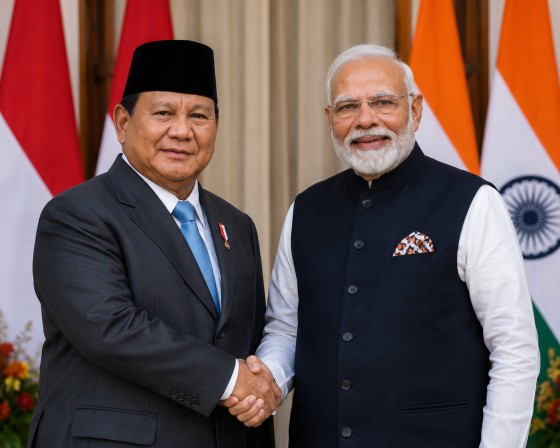
Next week, Indian Prime Minister Narendra Modi is set to travel to Indonesia for a significant meeting with President Prabowo Subianto. The discussions are anticipated to place a strong emphasis on cooperation in critical minerals, which are essential for various advanced technologies. This visit signals a potential deepening of bilateral relations, as both countries explore opportunities for collaboration in multiple sectors, including healthcare, pharmaceuticals, education, and space. According to Indian Ambassador Sandeep Chakravorty, several memorandums of understanding are being developed, and while some are expected to be signed during Modi’s visit, others are still in negotiation.
India is keen on forging a closer partnership with Indonesia to enhance the processing and manufacturing of critical minerals. This partnership is aimed at setting up production facilities within Indonesia, ensuring a reliable supply for the Indian market as well as for international exports. The discussions also involve the possibility of joint ventures that would include Indonesian partners, reflecting a mutual interest in strengthening economic ties.
Indonesia holds a pivotal role as the world’s largest producer of nickel, making it an attractive partner for nations seeking stable sources of critical minerals, particularly those used in electric vehicles and batteries. The Indonesian government mandates that nickel must undergo domestic processing before it can be exported, a policy designed to encourage investment in downstream industries within the country. This requirement aligns with India’s strategic objectives, as it looks to secure critical mineral supply chains and lessen its reliance on external sources.
The upcoming visit underscores India’s broader strategy to diversify and secure its critical mineral resources while expanding its economic engagements with Indonesia. By focusing on establishing a robust supply chain for these essential materials, India aims to support its growing demand for technologies that rely heavily on such minerals. The collaboration with Indonesia is seen as a step towards achieving greater self-reliance in the sector and fostering mutual economic growth.