
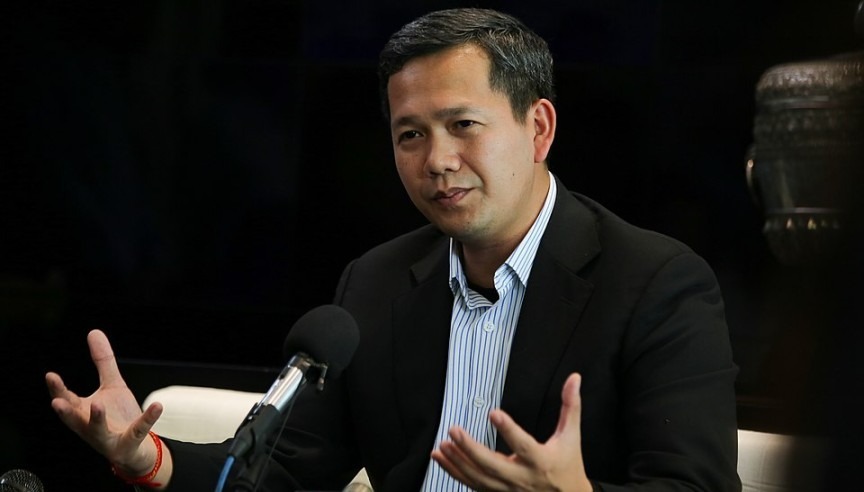
Cambodia’s Prime Minister, Hun Manet, has laid out a significant plan to overhaul government operations by cutting down three general departments and 30 departments across various ministries and state agencies. This move is part of an ongoing public administration reform aimed at making the government more efficient and reducing public expenditure. The announcement was made during the opening of the new General Department of Taxation headquarters, where Hun Manet stressed that the restructuring is designed to better equip state institutions for the challenges of a swiftly advancing digital age.
The reform agenda, following assessments of 16 ministries and institutions, aims to bolster institutional effectiveness and optimize the allocation of state resources, according to the Prime Minister. He emphasized that these changes are focused on modernizing government functions rather than fulfilling political objectives. As Cambodia seeks to align itself with the demands of a digital economy, some ministries and agencies are creating specialized units dedicated to digital systems and artificial intelligence to facilitate this transformation.
Deputy Prime Minister Hun Many highlighted that the government’s strategy is to enhance the efficiency of existing structures instead of expanding them. He pointed out that the Ministry of Public Service, along with 12 other institutions, has already trimmed various departments and offices. This restructuring comes without reducing the workforce; instead, it involves enhancing employee duties to boost productivity.
Despite these efforts, there is skepticism from some quarters about the real impact and speed of the reforms. Critics argue that for administrative reform to be truly effective, it should start by scaling down the higher tiers of government and state institutions to achieve notable cost savings and increased efficiency.
Overall, the restructuring strategy is a reflection of Cambodia’s broader ambitions to modernize its public administration. By improving governance and preparing government operations for future economic and technological shifts, the initiative underscores the country’s commitment to aligning with the evolving global landscape.