
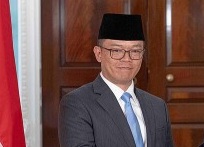
Indonesia is pushing for changes to the United Nations Security Council, emphasizing the need for the organization to adapt to the evolving security challenges that modern technologies, like artificial intelligence, present. During a debate at the UN headquarters in New York, Indonesian Foreign Minister Sugiono highlighted the rapid transformation of the global security environment caused by technological advancements in AI, autonomous weaponry, and nuclear technology.
Sugiono argued that the Security Council’s structure, established after World War II, is outdated and insufficient for tackling contemporary security threats effectively without significant reform. He called for increased transparency, accountability, and inclusiveness within the 15-member council, advocating for enhanced representation of developing countries and the Global South in international policymaking.
In his address, Sugiono emphasized that reforming the Security Council should aim at restoring trust and boosting its capability to address today’s global challenges efficiently. Echoing these sentiments, UN Secretary-General António Guterres cautioned that the rapid pace of technological advances, especially in AI and autonomous weapon systems, is outstripping the ability of current international governance frameworks to manage them, leading to new and unpredictable risks.
The use of AI in military contexts has increasingly worried governments and international bodies, prompting the Security Council to discuss its implications for warfare and the necessity for responsible regulation of these emerging technologies. This ongoing concern underscores Indonesia’s call for reform, as the nation seeks to rejoin the Security Council as a non-permanent member for the 2029–2030 term, continuing its advocacy for a more representative and effective body.