
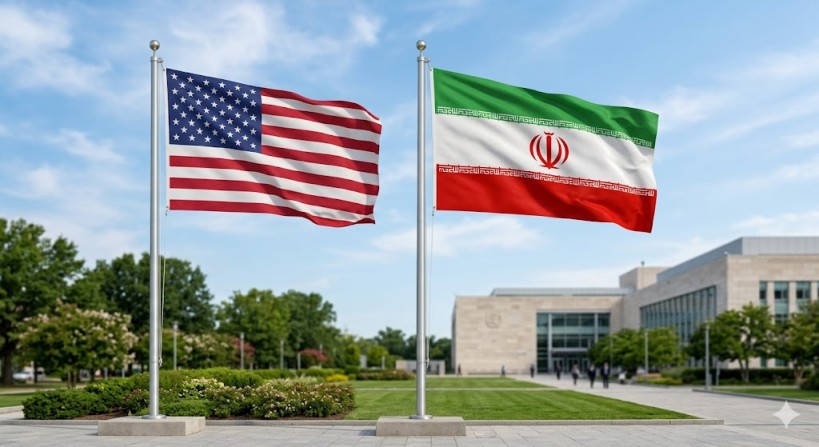
Efforts to de-escalate tensions in the Middle East and extend a ceasefire agreement have made limited headway this week, despite ongoing negotiations between the United States and Iran. US President Donald Trump has indicated that talks are nearing a conclusion, yet Iranian Foreign Minister Abbas Araghchi has expressed that significant progress remains elusive. The dialogue, although indirect and facilitated by mediators, continues as both sides seek common ground.
Central to the discussions is Iran’s insistence on establishing a ceasefire in Lebanon before any comprehensive deal with Washington can be finalized. This proposed agreement aims to prolong the existing truce and ensure the reopening of the vital Strait of Hormuz. As a critical artery for global oil shipments, any disruption in the Strait could have far-reaching consequences for energy markets worldwide, which are already on edge given the current uncertainty.
In Lebanon, the situation remains volatile with ongoing clashes between Israel and Hezbollah, the Iranian-backed militant group. Hezbollah has dismissed a ceasefire proposal supported by the US, and hostilities with Israeli forces persist along the southern Lebanese border. These clashes contribute to the overall complexity and tension in the region, complicating diplomatic efforts.
The uncertainty surrounding these negotiations has not only heightened regional tensions but also affected global energy markets. Investors are closely watching developments around the Strait of Hormuz, aware that any shipping disruptions could significantly impact international energy supplies and pricing. This geopolitical strain underscores the importance of reaching a resolution that could stabilize the sector.
As the diplomatic process continues, regional and international actors are striving to prevent further escalation. Achieving a broader agreement remains a priority for stakeholders aiming to bring stability to the region and address the intertwined issues affecting multiple countries. The outcome of these negotiations could have profound implications for the Middle East’s future and international relations.