
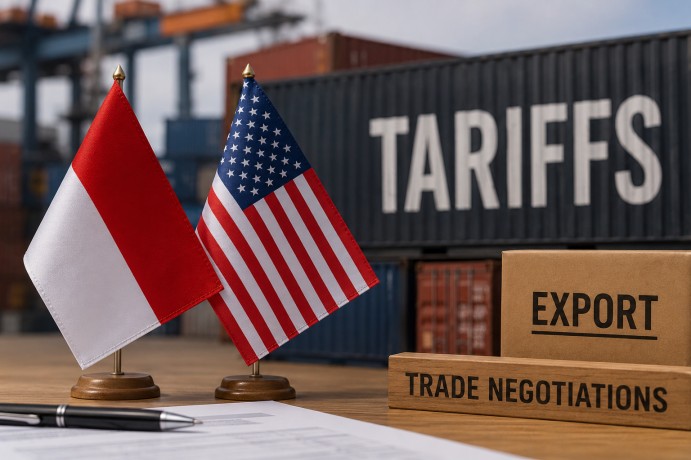
Indonesia is in the process of confirming whether the United States will maintain previously established tariff exemptions for its major exports in light of a recently implemented 10% tariff. This new tariff, which has been introduced by the U.S. over concerns regarding the enforcement of forced labor laws, currently affects Indonesia among several other nations, imposing a reduced 10% duty. Indonesian representatives have stated that they are in ongoing discussions with U.S. trade officials, expressing hope that existing agreements will continue to allow duty-free entry for products such as crude palm oil, cocoa, coffee, and natural rubber.
Additionally, Indonesia is closely monitoring the results of a separate U.S. investigation into structural excess capacity, which could potentially lead to further trade actions. The Indonesian government has committed to ongoing negotiations aimed at securing favorable tariff rates to protect its export industries. These efforts are critical for maintaining the economic benefits derived from trade with the United States.
The recent U.S. trade policy adjustments also include preferential treatment for certain Indonesian textile exports, specifically those that incorporate U.S. cotton and other American raw materials. This aspect of the policy highlights the interconnected nature of trade relations between the two nations and serves as a potential avenue for maintaining robust economic ties.
In the context of trade relations, Indonesia reported a total bilateral trade volume with the United States of $18.4 billion during the first five months of 2026. Within this period, Indonesia achieved a trade surplus of approximately $7 billion, underscoring the significant economic relationship between the two countries. As negotiations continue, Indonesia remains focused on ensuring that this relationship remains mutually beneficial and supportive of its economic goals.