
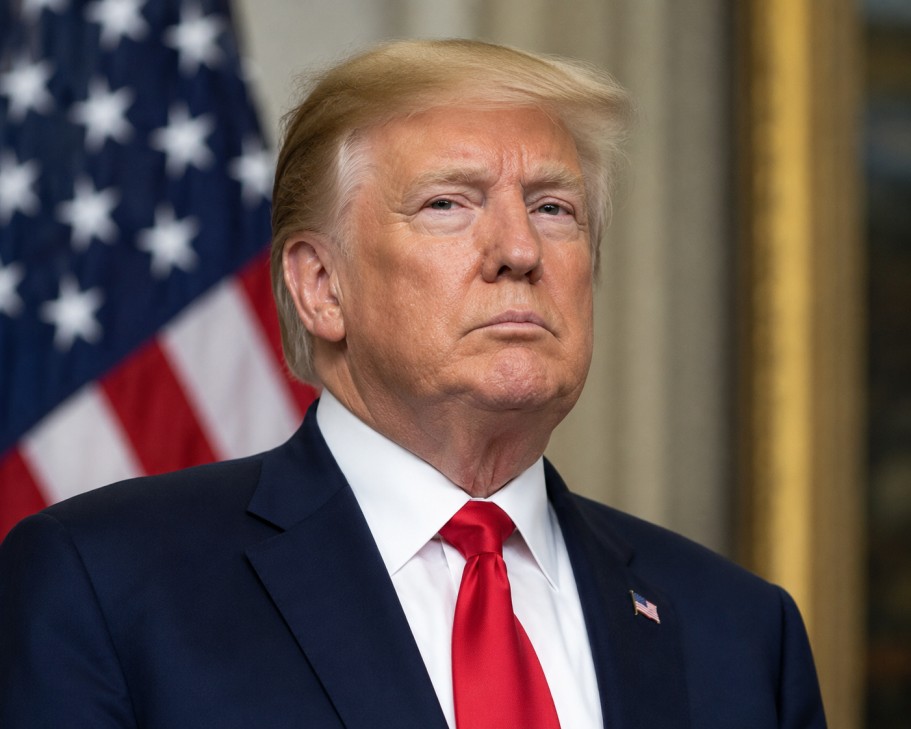
An initiative aimed at the recovery of Gaza, once envisioned as a comprehensive reconstruction effort across the entire territory, has been scaled back to focus on a smaller project near Rafah in southern Gaza. This shift, backed by the Board of Peace associated with US President Donald Trump, reflects a significant change from its original scope.
The current pilot project is designed to provide temporary housing for tens of thousands of Palestinians who have been displaced. This effort would be supported by a civilian administration led by Palestinians, a police force trained locally, and an international force to stabilize the area. However, according to officials, the timeline for the project’s operation is not expected to commence until the end of 2026.
As of now, preparations for the project remain minimal, with logistical infrastructure currently being developed near the Kerem Shalom crossing. The actual construction of the pilot camp has not yet started. The project’s progress is contingent upon various political and security conditions, including the outcomes of Israel’s forthcoming elections later this year.
Delays in the plan have been attributed to continuous hostilities, restrictions impacting humanitarian access, and unresolved issues concerning reconstruction efforts, security measures, and Gaza’s future governance. These challenges have hindered the advancement of the initiative significantly.
Diplomatic efforts are ongoing to secure the necessary funding, establish an international security presence, and negotiate agreements that would enable humanitarian access and ensure long-term stability. Despite these efforts, uncertainties persist regarding the financing and implementation of the project, compounded by the broader political dynamics in the region.