
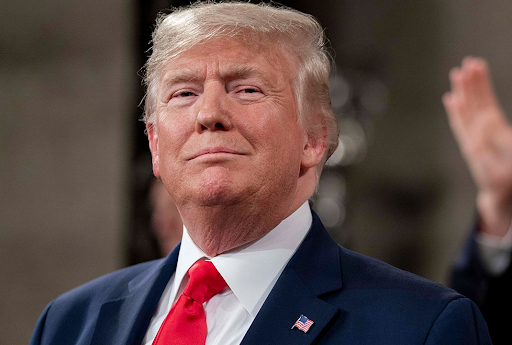
The Nobel Peace Prize carries immense prestige, built over a century of honoring some of humanity’s most revered figures. The committee is not just selecting a winner for this year; it is choosing a new member for an exclusive club of laureates. Many argue that awarding the prize to a figure as divisive as Donald Trump would tarnish this legacy.
The prize’s reputation rests on the perceived integrity and moral authority of its recipients. Laureates like Martin Luther King Jr., Mother Teresa, and Nelson Mandela have defined the award’s modern identity, associating it with universal values of human rights, reconciliation, and selfless service.
A Trump victory would place him in this same pantheon, a prospect that his critics find alarming. They argue that his presidency was marked by actions and rhetoric that are the antithesis of these values: his challenges to democratic norms, his use of divisive language, and his withdrawal from global efforts to combat climate change. To honor him would, in their view, devalue the contributions of past laureates.
The committee itself is aware of this responsibility. It has faced criticism before, notably for the 2009 Obama prize and the 1973 prize to Henry Kissinger. These controversies have made the committee more conscious of how its choices reflect on the institution’s legacy. Awarding the prize to Trump would invite a firestorm of criticism far exceeding these past events.
For the sake of preserving the prize’s status as a beacon of hope and moral clarity, the committee is expected to choose a candidate who unites rather than divides. The risk of damaging the Nobel’s long-term legacy by selecting such a polarizing figure is a powerful deterrent, making a Trump win an outcome that most observers believe the committee will studiously avoid.