
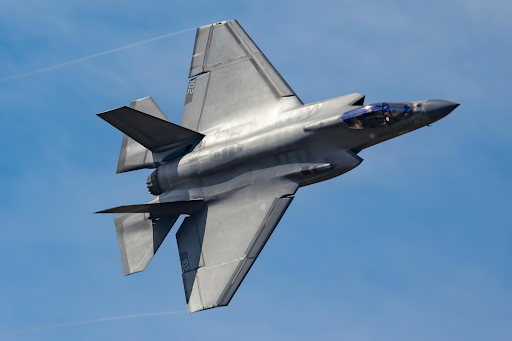
The world’s attention is once again on The Hague as the Dutch Supreme Court prepares to issue a ruling with major international implications. The court will decide whether the Netherlands must ban the export of F-35 fighter jet parts to Israel over concerns about their use in the Gaza war.
The case, brought by human rights advocates, has put the Dutch government’s foreign policy on trial. The plaintiffs argue that the shipments are illegal under international law, making the Netherlands complicit in alleged war crimes—a charge Israel denies.
The legal drama intensified in February 2024 when an appeals court sided with the advocates, ordering an immediate halt to the transfers. This bold decision was appealed by the government, which argues that the courts are encroaching on its exclusive authority to manage foreign relations.
The government also argues that as the parts are U.S.-owned and stored in a Dutch regional warehouse, a ban would be easily circumvented by the United States. This argument of practical futility is a key element of its appeal.
The ruling is being delivered against the grim backdrop of the ongoing conflict, which began on October 7, 2023, and has resulted in tens of thousands of deaths. The decision in The Hague is seen as a crucial test of whether international humanitarian law can be effectively enforced through national courts.