
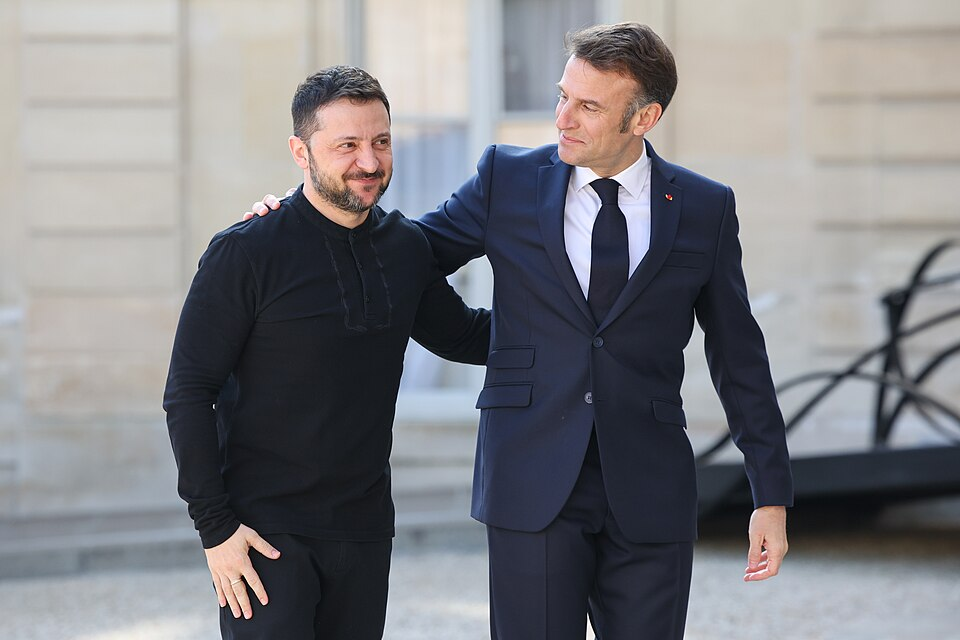
Ukraine and France have signed a “historical” 10-year framework agreement for defense cooperation, with a preliminary deal for 100 Rafale jets as its centerpiece. The pact, signed by President Zelensky in Paris, is structured as a decade-long letter of intent, with each specific project—including the jets, air defense systems, radars, and drones—to be subject to its own individual contract. This approach provides long-term stability while allowing for financial and logistical flexibility.
This 10-year structure is a significant shift from the short-term aid packages that have characterized the war so far. It allows Ukraine to plan its military modernization for the long haul, a necessity as the war enters its fourth year and US aid has been halted. This commitment from France, and a similar recent agreement with Sweden, builds a predictable procurement pipeline for Kyiv.
The financing for this decade-long endeavor will also be managed on a per-contract basis. The French presidency stated that funding will be drawn from multiple sources as needed, including the EU’s €150 billion Security Action for Europe (SAFE) loan fund. Zelensky added that Kyiv would also aim to tap a G7 mechanism using future revenues from frozen Russian assets, providing another long-term funding stream.
The contents of the framework are comprehensive, aimed at countering Russia’s intensified air war. The 100 Dassault-made Rafales are the main component, but the deal also includes eight “world-class” SAMP/T interceptor systems and plans for the joint production of interceptor drones. This multi-pronged approach will build a robust, layered defense for Ukraine.
The timeline for the first individual contracts to be executed, particularly for the Rafale jets, will depend on practical considerations. A source familiar with the plans noted that pilot training and infrastructure development are prerequisites, meaning the build-up of Ukraine’s new French-made fleet will be a gradual, multi-year process.