
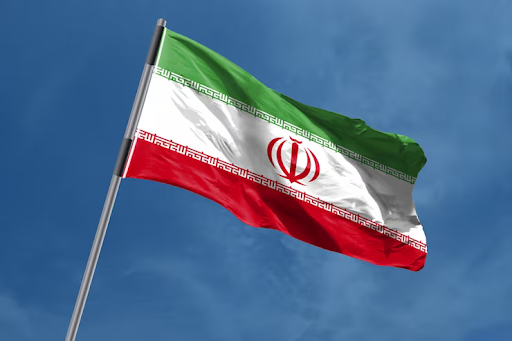
An unnamed Iranian military official issued a striking threat on Wednesday: if the United States attempted a ground operation on Iranian islands or territory, Tehran would attack shipping in the Red Sea, opening a new front in a conflict that was already causing the worst disruption to global energy markets in decades. The threat was delivered through the Tasnim news agency and reflected Iran’s doctrine of asymmetric response — the willingness to widen a conflict into economically painful new theatres rather than absorb punishment passively. The warning came as Iran rejected the US ceasefire proposal and submitted its own rival set of peace conditions.
The American 15-point framework, passed through Pakistani intermediaries, called for nuclear disarmament, missile constraints, the reopening of the Strait of Hormuz, and sanctions relief. Iran dismissed it as maximalist and submitted a five-point counter-plan calling for cessation of all strikes against Iranian officials and territory, binding security guarantees, war reparations, and sovereign Iranian control over the strait. Foreign Minister Araghchi confirmed the US document had reached senior leadership while making clear that formal negotiations were not on Iran’s immediate agenda.
The prospect of a Red Sea attack was deeply worrying to international shipping companies, governments, and energy markets. The Red Sea is a critical corridor for global commerce, and Iran’s ability to threaten it demonstrated that the conflict could spread far beyond the Persian Gulf. The Iranian parliament speaker separately warned that any regional power assisting in a US operation against Kharg Island — which holds 90% of Iran’s oil export capacity — would face unrelenting retaliatory strikes. Thousands of additional US troops were being deployed to the region including the 82nd Airborne Division, keeping the ground option credible.
Israeli forces struck targets across Iran on Wednesday, including a submarine facility in Isfahan, completing several waves of attacks. Iran responded with ballistic missiles against Israel and drone attacks on Gulf states. Kuwait’s international airport was hit, causing a large fire, and six people there were arrested in connection with a Hezbollah assassination plot against Kuwaiti leaders. Saudi Arabia intercepted eight Iranian drones over its eastern oil region. The US military said it had struck over 10,000 targets in Iran and destroyed most of the country’s largest naval vessels and much of its missile production capacity.
President Trump’s approval rating had fallen to 36%, and 59% of Americans said the war had gone too far. Oil prices briefly fell on news of the US ceasefire proposal before Iran’s rejection and continued threats pushed them back up. China urged dialogue, while Egyptian and Pakistani officials held out hope for face-to-face talks by Friday. The White House maintained cautious optimism, noting that Iran’s continued engagement — even through rejection and counter-proposals — suggested that some form of diplomatic resolution remained possible. Whether that optimism was warranted or wishful would likely become clearer by the end of the week.