
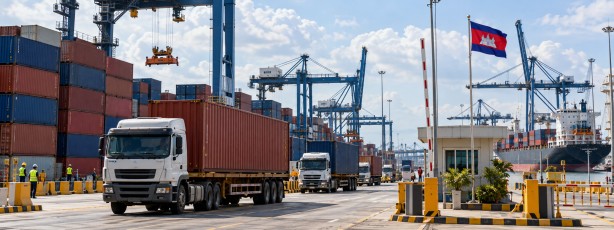
Cambodia is actively advancing its transport and logistics infrastructure as part of a government initiative to enhance trade competitiveness and solidify its position in regional and global supply chains. This effort was highlighted in a recent Council of Ministers meeting chaired by Prime Minister Hun Manet, where progress in improving supply chains, trade routes, and transportation systems was reviewed.
The government’s strategy is encapsulated in the Comprehensive Master Plan on the Cambodian Intermodal Transport and Logistics System 2023–2033. This ambitious blueprint outlines 174 projects focused on developing roads, railways, waterways, ports, aviation, logistics, and intermodal transport systems. The goal is to streamline transit processes, reduce costs, and improve connections between domestic and international markets.
By modernizing its transport infrastructure, Cambodia aims to bolster its manufacturing and agro-processing sectors, attract foreign investment, and enhance its role within regional and global trade networks. The improvements are expected to support higher-value industries, which are crucial for the country’s economic growth and development.
Officials at the meeting also assessed plans to decrease transit costs and strengthen links between local markets and international trade corridors. Such measures are vital for improving the efficiency and competitiveness of Cambodia’s trade activities on the global stage.
As Cambodia pushes forward with these logistics reforms, the nation looks to position itself as a key player in regional commerce, leveraging improved infrastructure to foster economic opportunities and integration into the global economy.