
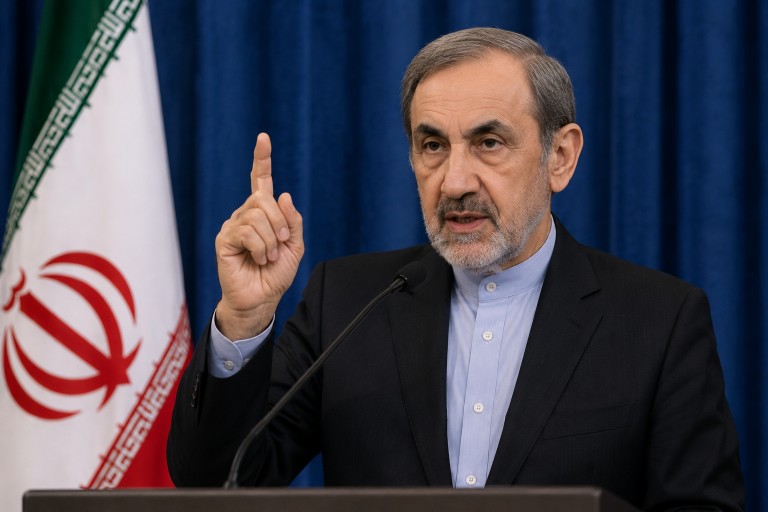
Tensions between the United States and Iran have escalated sharply following President Donald Trump’s declaration that an interim peace agreement between the two nations is no longer in effect. Iran’s response was swift and stern, with Ali Akbar Velayati, a senior adviser to the country’s supreme leader, accusing the U.S. of reigniting hostilities in the Gulf region. Velayati warned that Iran is ready to retaliate promptly against any further military aggression, emphasizing that the nation is on high alert and prepared to act defensively.
The dispute intensified after Trump made his remarks during the NATO summit, where he dismissed the ceasefire agreement as invalid. This came in the wake of Iran’s latest attacks on U.S. military installations in Bahrain and Kuwait, which were themselves a reaction to U.S. strikes on Iranian targets. The American military action was in response to Iran’s alleged attacks on commercial vessels navigating through the strategic Strait of Hormuz, a crucial chokepoint for global oil shipments.
President Trump did not rule out the possibility of further military operations against Iran, cautioning that American forces are poised to conduct additional strikes if Tehran continues its aggressive stance. He specifically pointed out that vital Iranian infrastructure, such as Kharg Island, might be targeted in future military endeavors. This rhetoric has exacerbated fears of a wider conflict in the Gulf, a region already fraught with volatility and critical to global energy security.
The back-and-forth threats have dampened any remaining hopes of rekindling the ceasefire and have raised alarms over the potential for a broader confrontation. As the Gulf remains a hotspot for geopolitical tensions, the latest developments add to the uncertainty affecting regional security and the stability of international energy markets. The international community watches closely as the situation unfolds, wary of the implications for peace and commerce in the region.