
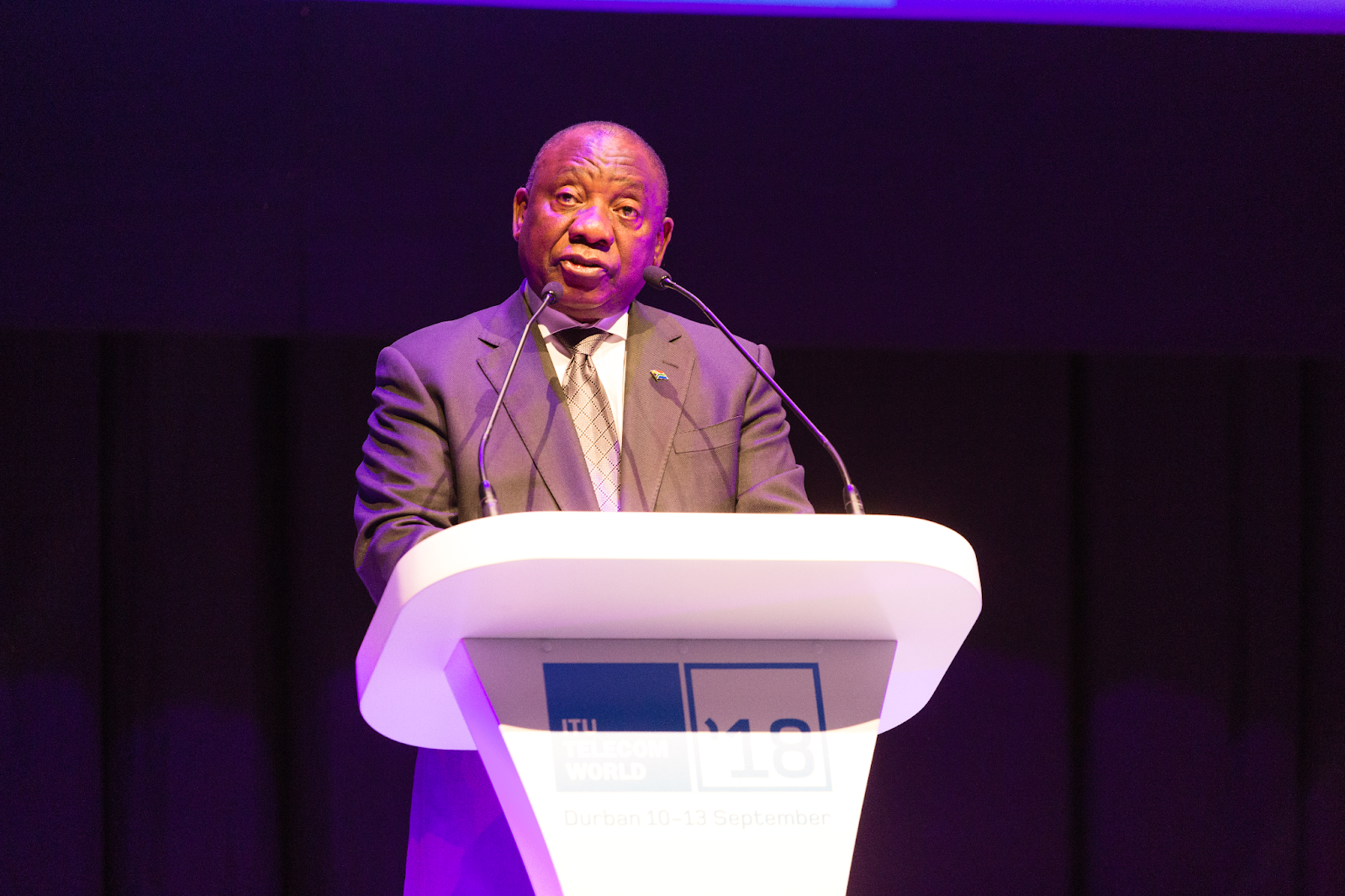
President Cyril Ramaphosa of South Africa has confirmed a potential diplomatic coup: the US is holding last-minute talks to reconsider its highly publicized decision to boycott the G20 summit. This stunning reversal, announced just before the summit opens, may ensure full attendance, although Ramaphosa could not confirm President Donald Trump’s presence in Johannesburg.
The initial reason for the diplomatic freeze was President Trump’s allegations concerning the treatment of white Afrikaner farmers, citing claims of violence and the impact of land reform. The South African government consistently and forcefully refuted these claims, labeling them as inaccurate, politically charged, and designed to interfere with the summit.
Addressing European leaders, Ramaphosa welcomed the US change of heart as a tangible “positive sign,” arguing that “boycotts seldom achieve meaningful outcomes.” He instead advocated for a strategy of inclusive global cooperation to address shared challenges. He reaffirmed that South Africa’s G20 agenda is structured to prioritize the economic needs of the developing economies.
A critical point of contention was the US diplomatic warning that the G20 would be unable to produce a unified final statement without its attendance. South Africa condemned this move as outright coercion, asserting that it directly threatened the integrity of multilateral decision-making. Officials were firm that an absent nation should not be permitted to dictate the terms of the collective statement.
Ramaphosa concluded by emphasizing South Africa’s dedication to consensus-building among G20 member nations. He acknowledged the future US G20 presidency but stressed that the forum’s credibility depends on its foundation of inclusivity and mutual respect, not on yielding to external unilateral pressure.