
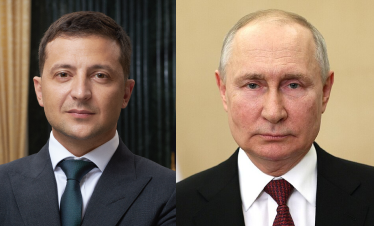
President Volodymyr Zelensky has drawn explicit contrasts between Ukrainian and Russian conduct in diplomatic processes while responding to Moscow’s allegations about a drone attack on Putin’s residence. The Ukrainian leader emphasized fundamental differences in how the two nations approach peace negotiations.
Foreign Minister Sergei Lavrov stated that Ukraine deployed 91 long-range drones against the presidential estate in Novgorod region during December 28-29. He characterized the alleged operation as reckless state terrorism and warned that Russia would respond with military force. Lavrov confirmed that despite successful interception of all drones by air defense systems, the incident would influence Moscow’s negotiating position.
Zelensky rejected Russian claims as fabricated lies, arguing that Moscow was creating false justification for strikes on Ukrainian government buildings in Kyiv. He suggested that Russia was following an established pattern of manufacturing accusations to provide cover for planned aggression while undermining diplomatic initiatives. The Ukrainian president stressed that Ukraine does not take steps that can undermine diplomacy, contrasting this with Russia’s consistent pattern of such behavior.
According to Russian accounts, air defense networks successfully eliminated all incoming threats to the presidential compound. However, Lavrov indicated that the alleged attack attempt would necessitate reassessment of Russia’s approach to ongoing discussions. He stated that while Moscow would continue engaging in negotiations, the incident required recalculation of expectations.
Zelensky called on world leaders to recognize what he described as fundamental differences between Ukrainian and Russian approaches to conflict resolution. He referenced Moscow’s history of attacking Ukrainian government facilities, including the Cabinet of Ministers building, as evidence that Russia regularly commits actions it accuses Ukraine of undertaking. The Ukrainian president emphasized that Ukraine’s commitment to supporting diplomatic processes rather than undermining them represents one of many critical distinctions between the two nations’ conduct in the ongoing conflict.