
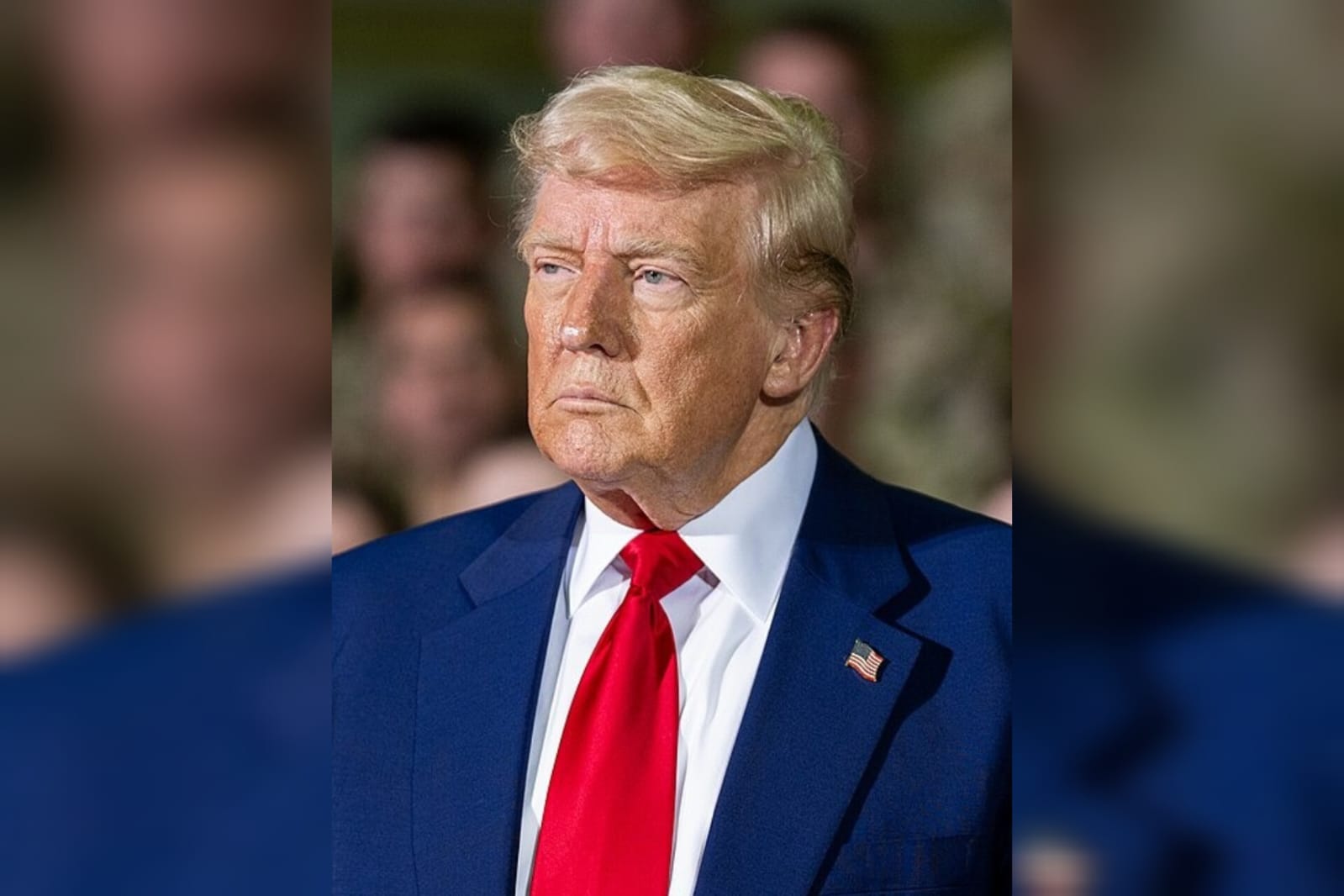
In a move aimed at easing security concerns, U.S. President Donald Trump emphasized that the recently finalized U.S.–Iran agreement serves as a critical measure for reducing the threat to Israel. After the signing of the 14-point memorandum, Trump assured Israeli Prime Minister Benjamin Netanyahu that the deal effectively mitigates the risk of a nuclear strike from Tehran. Speaking to the press, Trump underscored his commitment to addressing Israel’s primary worry, stating that the agreement provides a significant security guarantee for the nation and claiming it ensures that Israel will not face a nuclear threat.
Trump detailed his direct discussions with Netanyahu prior to signing the agreement, portraying it as a crucial step to bolster Israel’s long-term security. He expressed confidence that Israel would perceive the agreement positively, despite the ongoing regional tensions. The pact sets a 60-day negotiation timeline centered on Iran’s nuclear ambitions, along with initiatives to reopen essential trade routes and alleviate certain sanctions. However, while it addresses some aspects of regional stability, contentious issues such as Israel’s military activities in Lebanon remain unaddressed and politically delicate.
The U.S. administration has heralded the deal as a significant step forward in terms of security, but it has sparked a mixed reaction within Israel. Critics argue that reducing pressure on Iran might inadvertently boost its influence in the region, whereas proponents of diplomatic engagement believe it could lessen the likelihood of broader conflicts. The debate within Israel reflects the complexity of balancing immediate security concerns with long-term regional dynamics.
Adding to the complexity, Israeli leadership faces a wave of domestic criticism regarding its regional policy approach. Political adversaries have accused the current administration of strategic missteps in recent developments. Despite these challenges, the ultimate implementation and enduring consequences of the U.S.–Iran agreement remain uncertain as negotiations are set to continue. The evolving situation underscores the fragile nature of regional diplomacy and the intricate calculus involved in ensuring national security amid shifting geopolitical landscapes.