
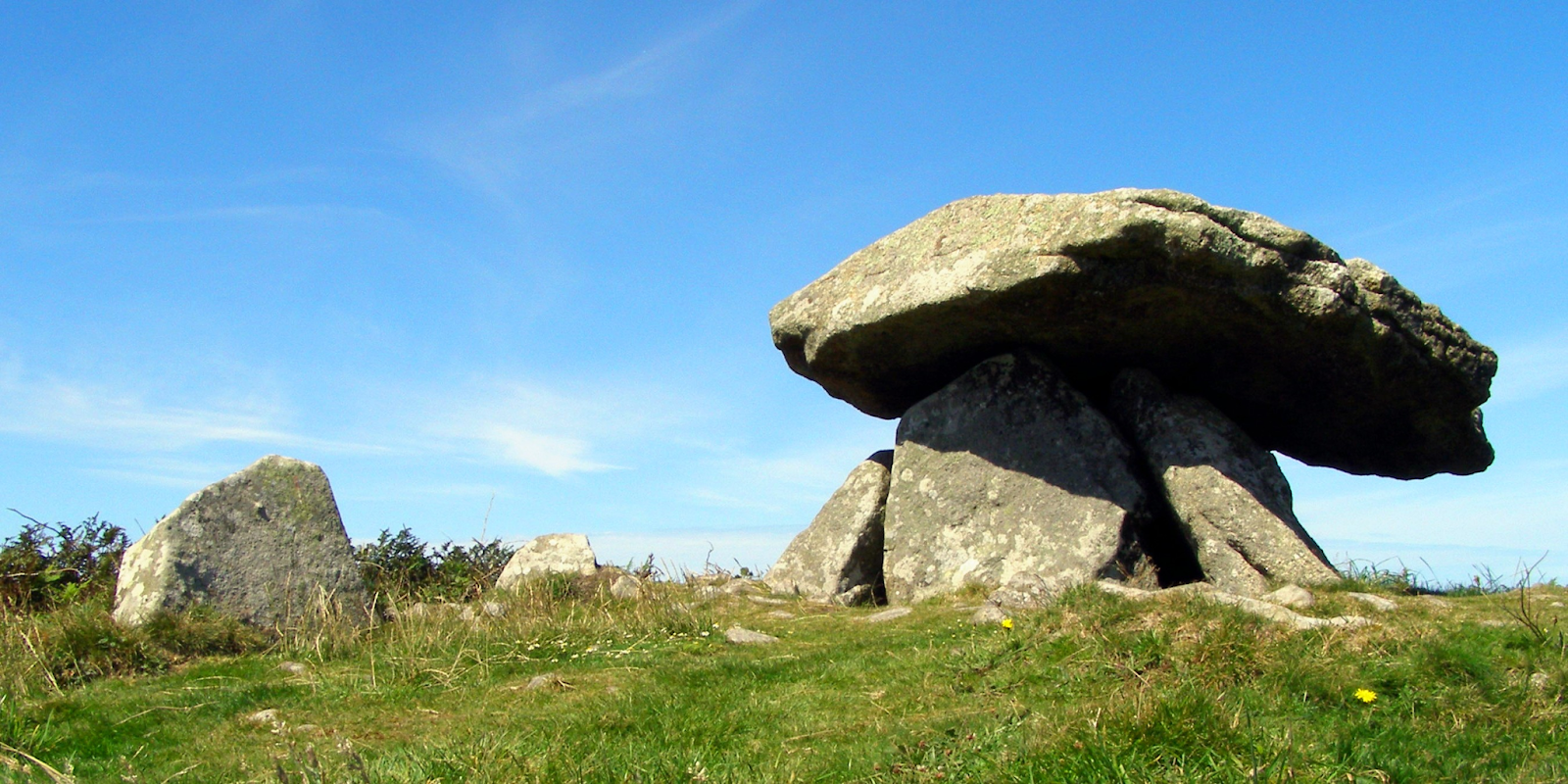
Persistence defines Cornwall’s prehistoric monuments. Through four millennia of human activity—encompassing countless cultural changes, invasions, religious transformations, and technological revolutions—granite stones like those at Tregeseal have maintained their positions and alignments. This endurance creates powerful connections between contemporary observers and Neolithic ancestors separated by dozens of generations.
The monuments’ survival results from multiple factors. Material durability plays obvious roles—granite weathers slowly compared to softer stones. Massive size discouraged removal even when later populations viewed megalithic structures with suspicion. Remote moorland locations protected sites from urban development that destroyed monuments in more densely populated regions.
Cultural continuity also contributed to preservation. Folklore traditions that attributed supernatural properties to standing stones discouraged vandalism. Later populations, though no longer understanding original astronomical functions, recognized monuments as markers of heritage worthy of respect. This attitude persisted even through periods when prehistoric achievements were dismissed as primitive.
The winter solstice alignments these stones preserve connect modern observers with prehistoric experiences in immediate, visceral ways. Standing at Chûn Quoit and watching the sun set over Carn Kenidjack exactly as Neolithic peoples witnessed creates temporal collapse—past and present momentarily merge through shared perception of astronomical phenomena.
Archaeological research by scholars like Carolyn Kennett adds intellectual understanding to experiential connections. Learning about Neolithic cosmological beliefs, construction techniques, and astronomical knowledge enhances appreciation for what these monuments represent. Contemporary celebrations including the Montol festival extend these connections through community rituals that maintain Cornwall’s distinctive cultural identity. The result demonstrates how prehistoric monuments can remain vibrantly relevant rather than simply preserved—they continue performing their original functions while acquiring additional layers of meaning through four thousand years of human engagement with landscape, astronomy, and the fundamental seasonal rhythms that continue structuring existence regardless of technological changes.