
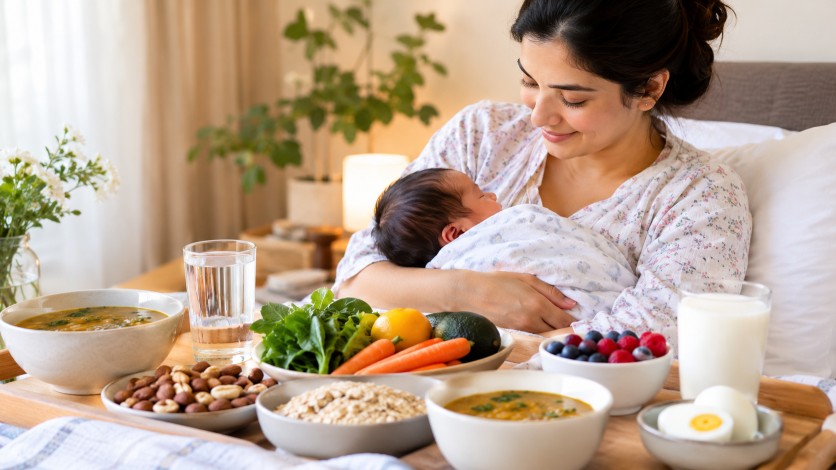
After childbirth, the road to recovery for new mothers involves more than just physical healing; it requires a focus on nutrition to support the body’s needs. While the arrival of a newborn shifts attention away from the mother’s own well-being, ensuring a balanced diet is crucial for replenishing nutrients, aiding tissue repair, sustaining energy levels, and meeting the increased demands of breastfeeding.
Recovery from childbirth can vary based on individual circumstances such as delivery type, blood loss, and pre-existing health conditions. Some mothers bounce back within weeks, while others may take months. During this time, it’s important for mothers to prioritize rest, nutrition, and gradual recovery rather than rushing to lose pregnancy weight. Persistent symptoms like pain or extreme fatigue should be discussed with healthcare providers.
Nutritional needs post-delivery are significant due to factors like blood loss affecting iron levels and the healing process itself. Moreover, breastfeeding raises energy and nutrient requirements. A varied diet rich in protein, vitamins, minerals, and fluids is essential for recovery and maintaining energy.
Iron-rich foods such as lentils, beans, leafy greens, eggs, and meat are vital, especially for those who experienced blood loss during delivery. Protein sources like chickpeas, milk, and eggs aid tissue repair, while calcium and vitamin D from dairy products and fish support bone health. A diverse intake of fruits and vegetables supplies essential vitamins and fiber, helping to prevent postpartum constipation. Whole grains like oats and brown rice provide necessary carbohydrates for energy, and healthy fats from nuts, seeds, and fish contribute to overall health.
Hydration is equally important, particularly for breastfeeding mothers. Regular fluid intake, including water and nourishing soups, supports hydration needs effectively.
For practicality, postpartum nutrition doesn’t require elaborate meals. Families can assist by preparing easy-to-access nutritious snacks and meals, allowing mothers time to rest and recover. Options like boiled eggs, sandwiches, and prepared portions of dal or vegetables can fit seamlessly into a busy routine.
The focus during the postpartum period should be on healing and nourishment rather than rapid weight loss. By prioritizing balanced meals, adequate rest, and professional guidance when needed, mothers can support their health and adjust better to the demands of motherhood.