
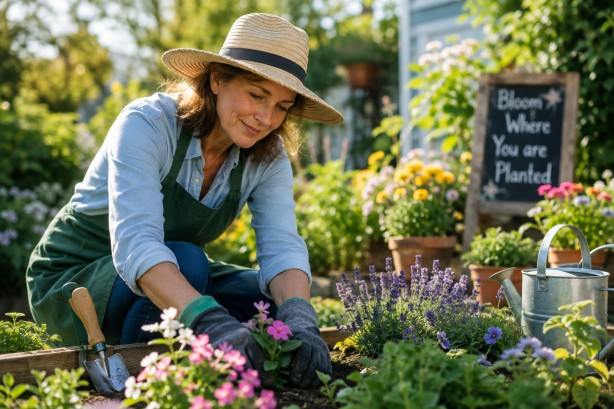
Engaging in gardening is often perceived as a soothing pastime, yet its benefits extend far beyond merely enhancing the beauty of an outdoor area. This activity is a unique blend of physical exercise, time spent outdoors, sensory engagement, and a connection with nature, all of which can significantly enhance overall well-being. Numerous studies have pointed out the physical and mental health advantages associated with gardening. Here are six ways in which cultivating a garden may promote a healthier lifestyle.
Firstly, gardening plays a role in supporting cognitive health. It involves movement, strategic planning, and the engagement of multiple senses. The process of selecting plants, adhering to care schedules, and handling soil offers continuous mental stimulation. Research suggests that regular gardening can enhance cognitive function, likely due to its combination of physical activity, mental engagement, and mood enhancement.
Additionally, gardening can serve as an effective stress reliever. Being surrounded by greenery creates a tranquil environment that may help alleviate stress. Activities like watering, pruning, planting, and simply enjoying the natural surroundings can provide a much-needed reprieve from everyday stressors. Reduced stress levels are linked to improved overall health, making gardening a valuable component of a balanced lifestyle.
The mental benefits of gardening are also noteworthy. It offers a sense of purpose and accomplishment as individuals nurture plants and witness their growth. This activity encourages more time spent outdoors, away from daily distractions. Research has indicated that gardening can improve mood, reduce anxiety and depression, and boost overall life satisfaction.
Moreover, gardening is an excellent way to incorporate physical activity into daily routines. Tasks such as digging, planting, watering, and carrying soil engage various muscle groups, increasing overall physical activity. For those who spend much of their day seated, gardening provides an accessible means of becoming more active while achieving a meaningful goal. Alongside physical benefits, gardening encourages outdoor time, exposing individuals to sunlight, which aids in the production of vitamin D crucial for bone health and immune function. It’s important, however, to balance sun exposure with appropriate protection.
In the long term, the combination of physical activity, stress reduction, and outdoor exposure through gardening may contribute to improved health. Among older adults, gardening has been associated with better cardiovascular health and a reduced risk of certain lifestyle-related conditions. While it cannot guarantee a longer life, incorporating gardening into an active and balanced lifestyle may support healthier aging. Importantly, gardening doesn’t require vast spaces or extensive expertise; even tending to a few herbs, houseplants, or flowers can offer opportunities to move, relax, and connect with nature, integrating physical activity, outdoor time, and mental relaxation into daily life.