
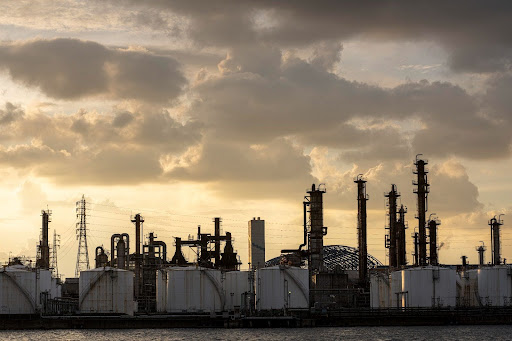
Energy has moved to the center of the Iran-Israel conflict, with both sides striking oil storage sites, fuel distribution networks, and energy infrastructure in a deliberate campaign to inflict economic pain and market disruption. The strategy is working: global oil prices have crossed $100 per barrel, and threats of $200 crude are now being made openly.
Israeli strikes on oil facilities in and around Tehran killed four workers and sent black smoke billowing across the city. Iran’s Revolutionary Guards responded by threatening to push global prices to $200 per barrel and warned Gulf states to press Israel and the United States to stop the attacks or face the same treatment.
Gulf states were already living with the consequences. Saudi Arabia intercepted 15 drones, a Bahraini desalination plant was hit, and two civilians died in a Saudi residential strike. A US service member was killed by an Iranian attack in Saudi Arabia, the seventh American fatality of the conflict. Reports that Russia had been providing targeting intelligence to Iran deepened concerns about the war’s expanding scope.
Iran’s clerical establishment simultaneously navigated a historic political transition, appointing Mojtaba Khamenei as the country’s new supreme leader in a move unprecedented in the Islamic Republic’s history. The appointment of the late leader’s son was seen as cementing hardline control at a moment when any other approach might have offered a path toward de-escalation.
The United States pledged restraint on Iranian energy targets, but with both sides now treating oil infrastructure as a legitimate military objective, the principle of keeping energy out of warfare appeared to have been effectively abandoned — with potentially far-reaching consequences for global markets and international norms.