
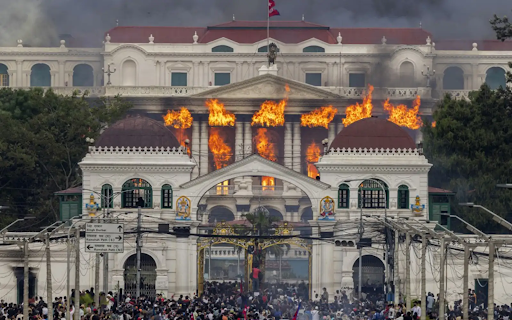
The rage that has spilled onto the streets of Nepal is not a sudden outburst but the culmination of years of systemic failures and broken promises. To understand the protests, one must dissect the anatomy of this anger, which is composed of economic frustration, a sense of political betrayal, and a deep-seated feeling of injustice.
The first layer of this rage is economic. A 20% youth unemployment rate has left a generation of educated young people feeling hopeless and undervalued. This personal economic anxiety is compounded by the sight of the political elite and their families enjoying immense wealth, creating a potent cocktail of envy and resentment.
The second layer is political. Since the end of the monarchy in 2008, Nepal has been caught in a cycle of instability, with 13 governments failing to provide consistent leadership or progress. This has led to a profound disillusionment with the republican system itself, which many feel has only benefited a small, corrupt political class.
The final layer is a sense of deep injustice. The government’s failure to prosecute major corruption cases, combined with its attempts to silence critics through measures like the social media ban, has fostered the belief that the system is rigged. The killing of 19 protesters was the ultimate injustice, confirming that the state is willing to use violence to protect this corrupt system. It was this final act that turned simmering rage into an open rebellion.